


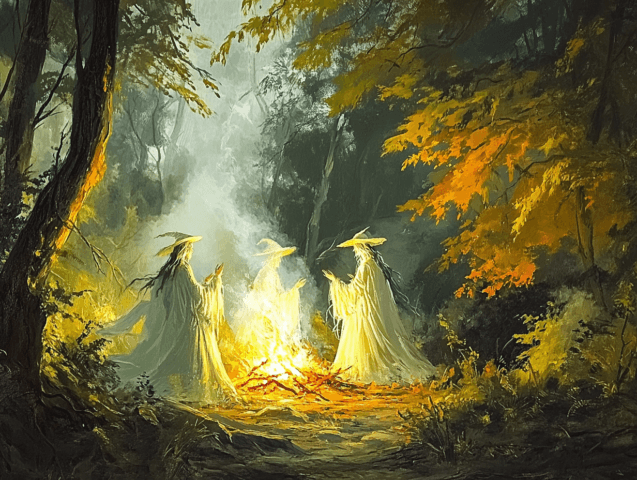
Yule (Winter Solstice)
Yule occurs around December 21, marking the year’s longest night. It celebrates the rebirth of the sun and the return of longer days. Traditions include lighting candles or fires to welcome the light’s return.
Imbolc
Celebrated on February 1 or 2, Imbolc signifies the first signs of spring. It’s a time to honor the growing light and the awakening earth. Many light candles to represent the returning sun.
Ostara (Spring Equinox)
Ostara falls around March 21, when day and night are equal. It symbolizes balance and the renewal of life. Activities include planting seeds and decorating with symbols of fertility.
Beltane
Observed on April 30 or May 1, Beltane marks the start of summer. It’s a festival of fertility and fire. Traditions involve dancing around the Maypole and lighting bonfires.
Litha (Summer Solstice)
Litha occurs around June 21, the year’s longest day. It celebrates the sun at its peak. Common practices include gathering herbs and lighting fires to honor the sun’s power.
Lughnasadh (Lammas)
Celebrated on August 1, Lughnasadh marks the first harvest. It’s a time to give thanks for abundance. Traditions include baking bread and sharing feasts.
Mabon (Autumn Equinox)
Mabon falls around September 21, when day and night are again equal. It signifies the second harvest and a time of thanksgiving. Activities include feasting and reflecting on the year’s blessings.
Samhain
Observed on October 31, Samhain marks the end of the harvest and the beginning of winter. It’s a time to honor ancestors. Traditions include lighting candles and setting places at the table for departed loved ones.
By celebrating these Sabbats, Wiccans connect deeply with nature’s rhythms and honor the earth’s cycles.


