


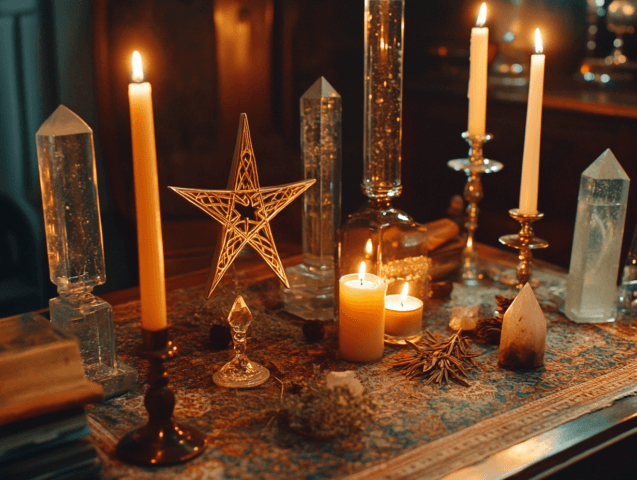
Wicca is a modern spiritual movement inspired by ancient pagan traditions. While its origins can be traced to pre-Christian European practices, Wicca as we know it today was shaped in the 20th century.
Ancient Influences
Many Wiccan beliefs and rituals are rooted in old nature-based traditions. The Celts, Norse, and other early cultures worshipped deities linked to the cycles of nature. These ancient practices included seasonal festivals, divination, and magical workings.
Gerald Gardner and the Revival of Wicca
Wicca gained widespread recognition in the mid-20th century, thanks to Gerald Gardner. In the 1950s, Gardner published books that introduced Wicca to the public, blending folk magic, ceremonial traditions, and influences from the occultist movement.
Wicca Today
Modern Wicca is diverse, with different traditions and paths. Some practitioners follow structured coven-based rituals, while others practice solitary witchcraft. Despite variations, Wicca remains centered on harmony with nature, the divine, and personal spiritual growth.
Conclusion
While Wicca has deep historical influences, its modern form is a revival that adapts ancient wisdom to contemporary spirituality. It continues to evolve, inspiring people worldwide to connect with nature and magic.


