


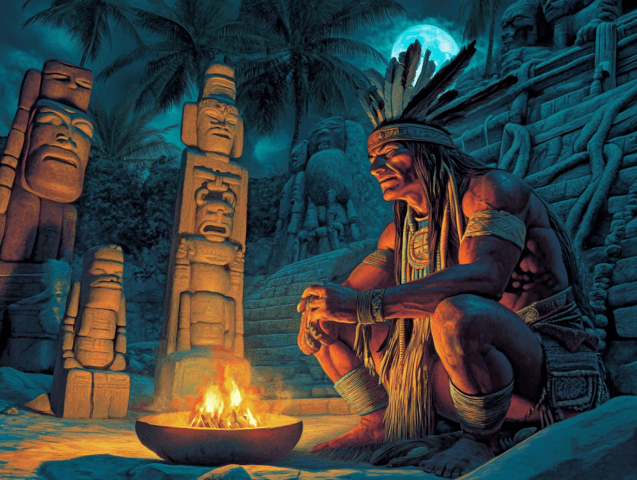
Shamanism is one of the oldest spiritual traditions, practiced by indigenous cultures across the world. Shamans serve as healers, mediators, and guides, working with the spirit world to restore balance and harmony.
Core Practices of Shamanism
Shamans use rituals to connect with the unseen. These include drumming, chanting, and journeying into altered states of consciousness. They seek guidance from spirit allies, ancestors, and nature.
Shamanic Healing Techniques
Healing in shamanic traditions involves energy work, plant medicine, and soul retrieval. Shamans remove negative energies and help individuals reconnect with their lost vitality.
Shamanic Traditions in Different Cultures
- Siberian Shamanism: One of the oldest forms, involving trance work and communication with animal spirits.
- Amazonian Shamanism: Uses plant medicine like ayahuasca for spiritual healing and visions.
- Native American Shamanism: Focuses on ceremonies like the sweat lodge and vision quests.
- African Shamanism: Emphasizes ancestral spirits and nature-based rituals.
Why Shamanism Still Matters
Modern interest in shamanic practices continues to grow. Many people seek these traditions for personal healing, spiritual insight, and a deeper connection to the earth.
Shamanic wisdom reminds us that everything is connected. The lessons from ancient traditions still hold value in today’s world.


